Crislyn D'Souza-Schorey Morris Pollard Professor

Gallery


Research Interests:
The most unfavorable events during the early stages of cancer progression are tightly linked to alterations in signaling cascades that control cell adhesion and invasion. Research in our laboratory focuses on a signaling axis that facilitates these changes and appears to be deregulated in several human cancers.
We work at the intersection of two exciting disciplines in the life sciences, cell biology and oncology. The acquisition of the invasive phenotype—when cells disrupt normal cell-cell contacts and acquire phenotypic alterations that permit invasion through the surrounding tissue—is the focus of the laboratory’s research. With this framework, we seek to determine the impact of specific molecular alterations in the initiation and progression of localized and invasive cancers with the ultimate goal of extending these findings to the development of new diagnostic and therapeutic platforms.
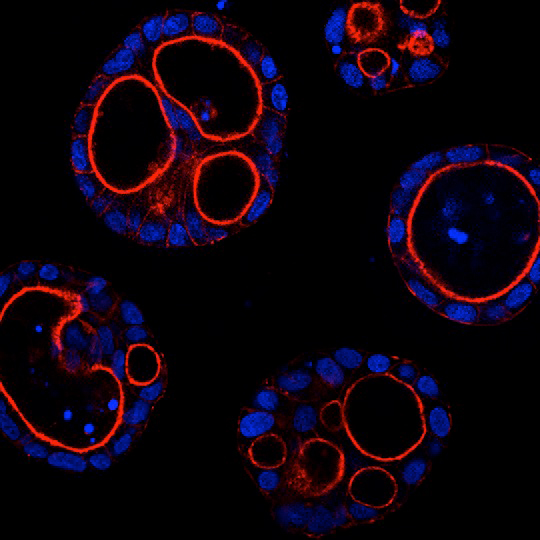
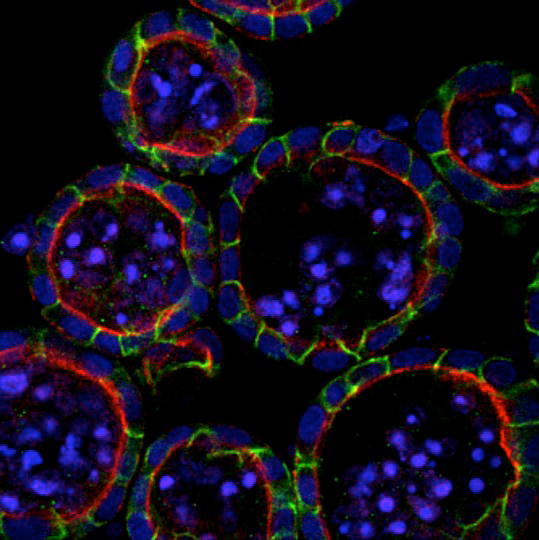
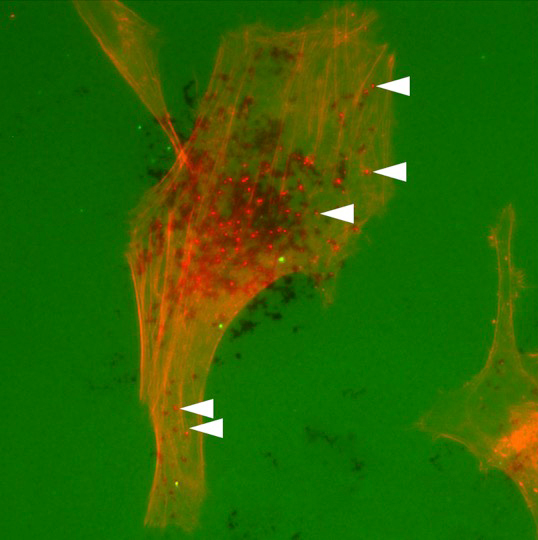
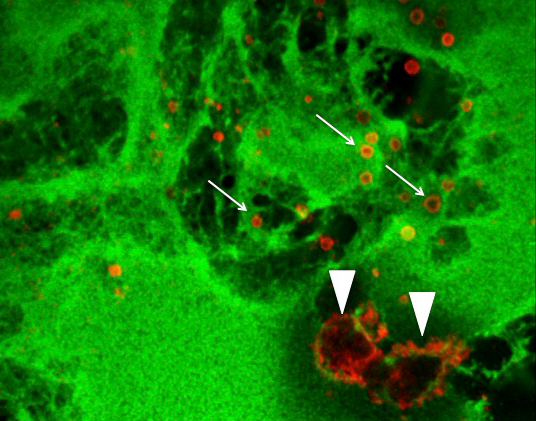
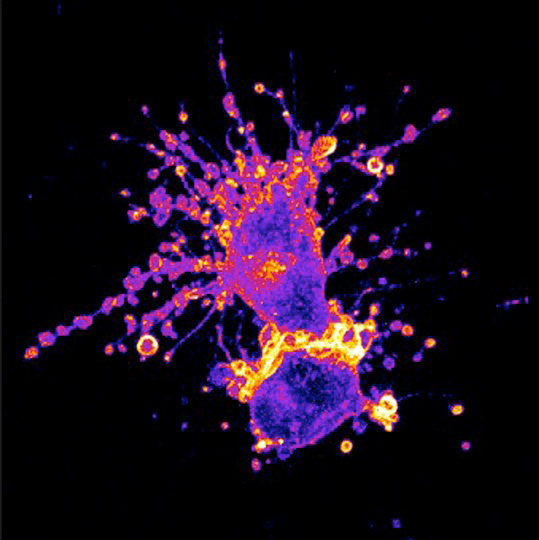
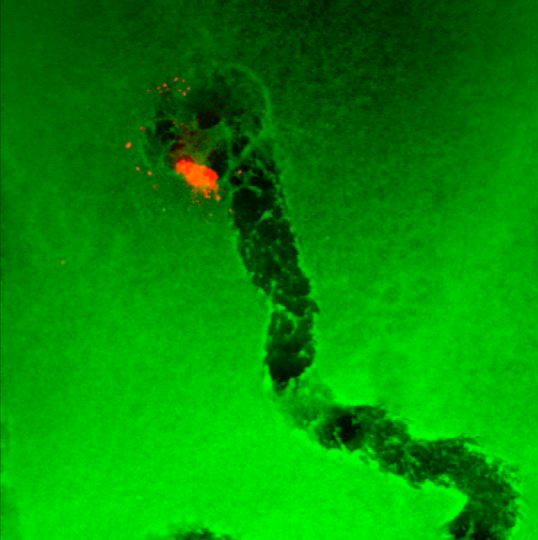
Current investigations are targeted at understanding the cellular basis of epithelial glandular disruption and tumor cell invasion. In these contexts, we are investigating the mechanisms that govern the formation of tumor-derived microvesicles and their paracrine properties. We continue to characterize these invasive structures and investigate the mechanisms by which they promote tumor cell migration and dissemination across diverse microenvironments. Our research pursuits employ cellular, organotypic and animal model systems, coupled with the interrogation of clinical samples.
Biography:
- Department Chair, Biological Sciences, University of Notre Dame, IN 2014-2020
- Professor, Department of Biological Sciences, University of Notre Dame, IN 2011-Present
- Associate Professor, Department of Biological Sciences, University of Notre Dame, IN 2004-2011
- Assistant Professor, Department of Biological Sciences, University of Notre Dame, IN 1998-2004
- Research Assistant Professor, Department of Cell Biology, Washington University School of Medicine, St. Louis, MO 1997-1998
- Postdoctoral Fellow, Department of Cell Biology, Washington University School of Medicine, St. Louis, MO 1993-1996
- Ph.D. University of Texas Health Science Center at San Antonio, TX 1992
Selected Papers:
- Schmidtmann M, D’Souza-Schorey C. (2023) Extracellular Vesicles: Biological Packages That Modulate Tumor Cell Invasion. Cancers 38: 5617. https://doi.org/10.3390/cancers1523567
- Clancy JW, Sheehan C, Boomgarden A., D'Souza-Schorey C. (2022) Recruitment of DNA to tumor microvesicles. Cell Reports 38: 110443. doi.org/10.1016/j.celrep.2022.110443
- Clancy, JW, Boomgarden, AC. & D’Souza-Schorey, C. (2021) Profiling and promise of supermeres. Nature Cell Biology doi: 10.1038/s41556-021-00808-5
- Boomgarden AC, Clancy JW, D'Souza-Schorey C. (2020) Breaking Bad: Extracellular Vesicles Provoke Tumorigenic Responses Under Oxygen Deprivation. Developmental Cell. 55:111 doi: 0.1016/j.devcel.2020.09.027
- Howe, E.N., Burnette, M.D., Justice, M.E., Schnepp, P.M., Hedrick, V., Clancy, J.W., Guldner, I.H., Lamere, A.T., Li, J., Aryal, U.K., D’Souza-Schorey, C., Zartman, J.J., Zhang, S. (2020) Rab11b-mediated integrin recycling promotes brain metastatic adaptation and outgrowth. Nature Communications. 11, 3017 doi: 10.1038/s41467-020-16832-2
- Clancy JW, Zhang Y, Sheehan C, D'Souza-Schorey C. (2019) An ARF6-Exportin-5 axis delivers pre-miRNA cargo to tumour microvesicles. Nature Cell Biology 21:856 doi: 10.1038/s41556-019-0345-y.
- Sedgwick AE, D'Souza-Schorey C. (2016) Wnt Signaling in Cell Motility and Invasion: Drawing Parallels between Development and Cancer. Cancers. 8(9). pii: E80. doi: 10.3390/cancers8090080.
- Clancy JW, Sedgwick A, Rosse C, Muralidharan-Chari V, Raposo G, Method M, Chavrier P, D'Souza-Schorey C. (2015) Regulated delivery of molecular cargo to invasive tumour-derived microvesicles. Nature Communications. 6: 6919-6930.
- Pellon-Cardenas O, Clancy J, Uwimpuhwe H, D'Souza-Schorey C. (2013) ARF6-Regulated Endocytosis of Growth Factor Receptors Links Cadherin-Based Adhesion to Canonical Wnt Signaling in Epithelia. Mol. Cell. Biol. 33:2963-2975.
- Grossmann AH, Yoo JH, Clancy J, Sorensen LK, Sedgwick A, Tong Z, Ostanin K, Rogers A, Grossmann KF, Tripp SR, Thomas KR, D'Souza-Schorey C, Odelberg SJ, Li DY. (2013) The small GTPase ARF6 stimulates β-catenin transcriptional activity during WNT5A-mediated melanoma invasion and metastasis. Science Signaling. 6(265):ra14. doi: 10.1126/scisignal.2003398.
- D'Souza-Schorey C, Clancy JW. (2012) Tumor-derived microvesicles: shedding light on novel microenvironment modulators and prospective cancer biomarkers. Genes and Development. 26: 1287-99.
- Tushir J.S., Clancy J., Warren A., Wrobel C., Brugge J.S., D'Souza-Schorey C. (2010) Unregulated ARF6 activation in epithelial cysts generates hyperactive signaling endosomes and disrupts morphogenesis. Mol. Biol. Cell. 21: 2355-2366.
- Muralidharan-Chari, V., Clancy J.W., Plou C., Romao M., Chavrier P, Raposo G., and D'Souza-Schorey C. (2009) “ARF6 regulated shedding of tumor-derived plasma membrane microvesicles.” Current Biology 19(22):1875-85.
- Muralidharan-Chari V., Hoover H., Clancy J., Schweitzer J., Suckow M., Schroeder V., Castellino F., Schorey J., D’Souza-Schorey C. (2009) ADP-ribosylation factor 6 regulates tumorigenic and invasive properties in vivo. Cancer Research 69: 2201-2209.
- Tushir, J.S. and D’Souza-Schorey C. (2007) ARF6-dependent activation of ERK and Rac1 modulates epithelial tubule development. EMBO J. 26: 1806-1819.
- D’Souza-Schorey C and Chavrier P. (2006) ARF proteins: roles in membrane traffic and beyond. Nature Reviews Mol. Cell. Biol. 7: 347-358.
- D’Souza-Schorey C. (2005) Disassembling adherens junctions: Breaking up is hard to do. Trends. Cell. Biol. 15: 19-26.
- Tague S., Muralidharan V., and D’Souza-Schorey C. (2004) ARF6 regulates tumor cell invasion via the activation of the MEK/ERK signaling pathway. Proc. Natl. Acad. Sci. 101: 9671-9676.
- Muchowski P., Ning K., D’Souza-Schorey C., and Fields S.F. (2002) Requirement of an intact microtubule cytoskeleton for aggregation of huntingtin exon 1. Proc. Natl. Acad. Sci, USA 99: 727-732.
- Peters P, Ning K., Palacios F., Kazantsez A., Thompson L., Bates G., and D’Souza-Schorey C. (2002) Arfaptin 2 regulates the aggregation of mutant huntingtin. Nature Cell Biology 4: 240-245.
- Palacios F., Schweitzer J., Boshans R.L. and D’Souza-Schorey, C. (2002) ARF6-GTP recruits nm23-H1 to facilitate dynamin-dependent endocytosis during adherens junction disassembly. Nature Cell Biology 4: 929-936.
- Palacios F., Price L., Schweitzer J., Collard J., and D’Souza-Schorey, C. (2001) An essential role for ARF6-regulated membrane traffic in adherens junction assembly and epithelial cell migration. EMBO J. 20: 4973-4986.
- Van Aelst L. and D’Souza-Schorey C. (1997) Rho GTPases and signaling networks. Genes and Development 11: 2295-2322.
- D’Souza-Schorey C., Li G., Colombo M.I., and Stahl P.D. (1995) A regulatory role for ARF6 in receptor-mediated endocytosis. Science 267: 1175-1178.